Imagine a world where you have a reliable power source that not only saves you money but also contributes to a greener environment. That’s the reality with solar power and backup systems, a trending solution in the Tanzanian and East African market for those seeking energy independence and security.
Solar power and backup systems provide reliable and sustainable power, reducing utility bills and carbon footprint.
When selecting a solar power and backup system, consider type of inverter/battery size to maximize efficiency & minimize maintenance needs.
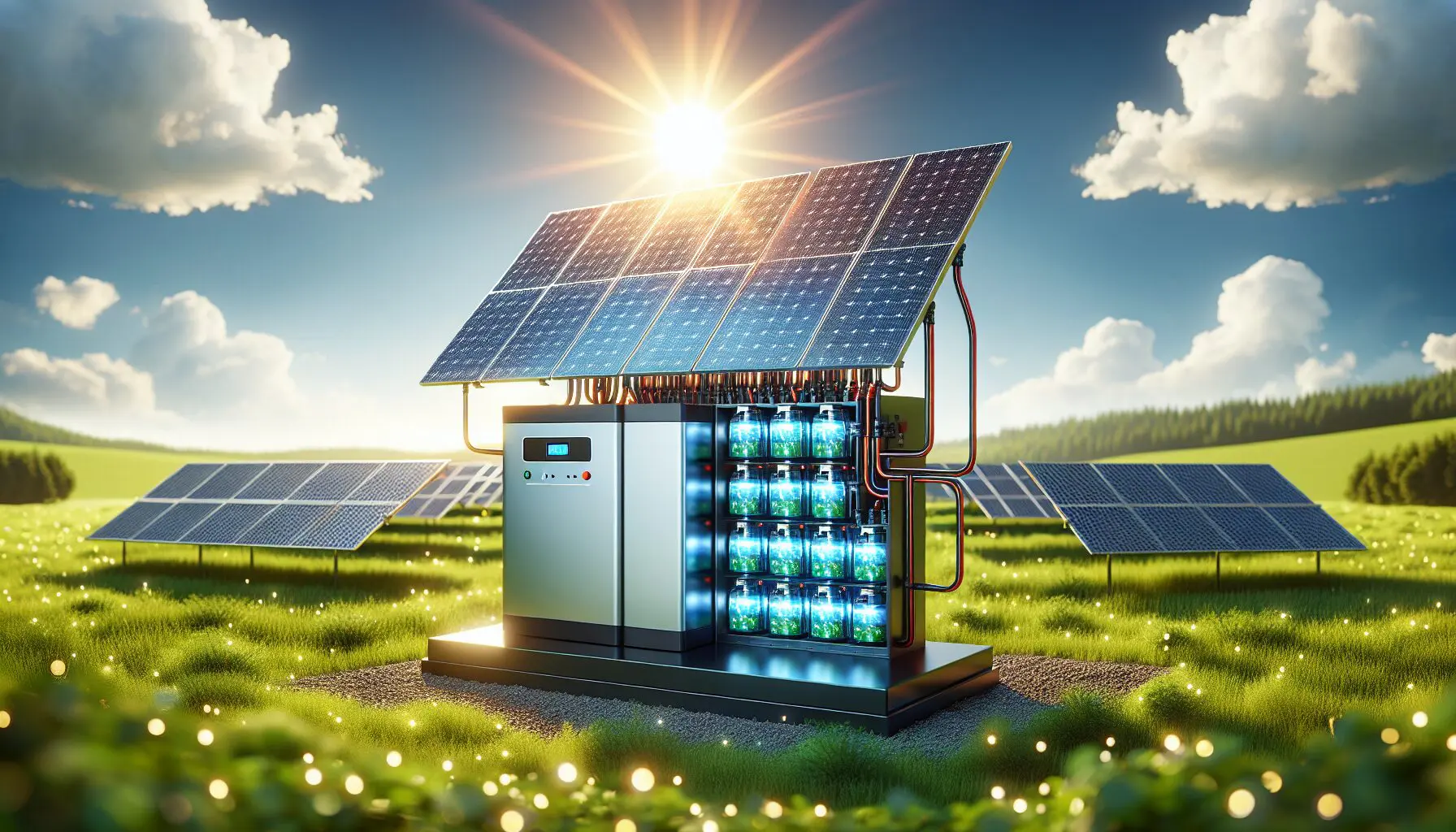
Solar power and backup systems, also known as solar power backup systems, often go uncelebrated in the world of renewable energy solutions. Designed to keep the lights on during unpredictable grid outages, these systems offer reliable backup power, ensuring a mix of reliability and sustainability for both residential and commercial Power use. A power backup system is a fusion of technology and nature, where solar panels, batteries, charge controllers, inverter chargers, and wiring work together to keep the energy flowing.
What sets these systems apart is their versatility, drawing energy from a variety of sources such as:
the grid
solar panels
wind turbines
hydroelectric power
generators
water heaters
The central element, the battery bank, replenishes with surplus electricity from these sources, ensuring a continuous supply power to homes and essential devices. This makes solar batteries a truly invaluable part of the system, even during power outages.
The components of a solar backup system interact seamlessly. Solar panels harness energy from the sun, converting it into direct current (Direct Current) electricity, while high-tech batteries store this power for later use.
The charge controller’s role is pivotal to the system’s smooth operation. It oversees the battery charging process, preventing any damage or overcharging from excess electricity, effectively reducing your utility bill.
Finally, the inverter charger plays the crucial role of converting the stored Direct Current electricity from the batteries into alternating current (AC) electricity, powering household appliances and other electrical devices.
Adopting solar backup systems isn’t merely wise; it’s transformative. In Tanzania, these systems are more than just a solution to power outages, they’re a pathway to cost savings and energy independence.
In East Africa, these systems are reshaping the story, fostering a transition away from traditional energy sources. They offer cost savings, access to renewable power incentives, and promote a sustainable lifestyle for both residential and small businesses. By harnessing green and renewable solar energy, these systems are playing a crucial role in reducing carbon footprint.